Maternity at Ruby
Maternity Facilities:
Pregnant Women Care(Garbhini Paricharya) BY AYURVEDA
- Painless delivery by ancient methods (Sukh Prasuti)
- Garbha Sanskar with Yoga, Meditation, and Ayurveda(Supraja Nirman)
state of art care
state of art care
Labour Delivery Rooms
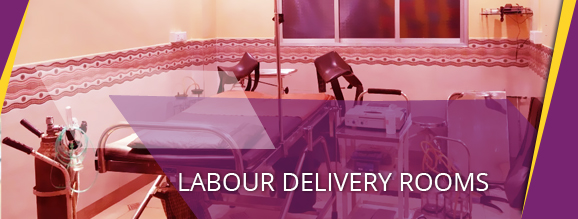
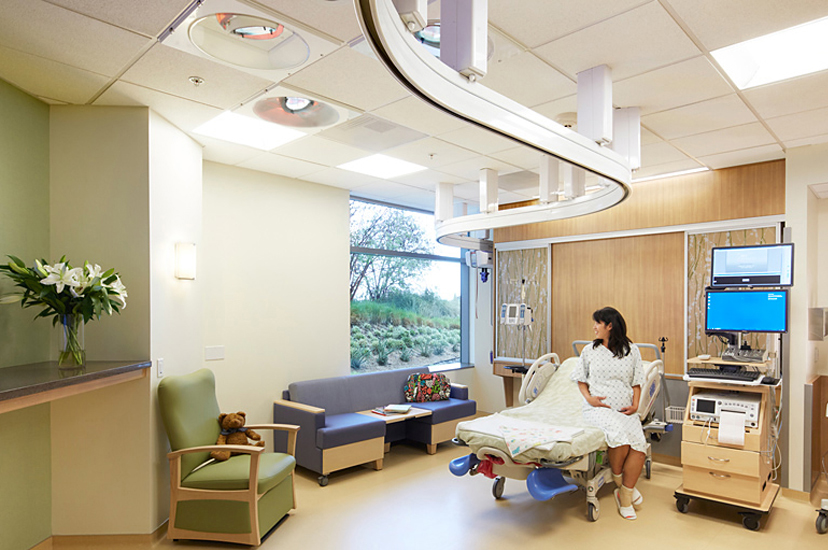
RUBY HOSPITAL’s Labour Delivery Rooms are a result of careful thought and consideration. LDR rooms successfully amalgamate labour, delivery and recovery facilities, ensuring that mothers don’t suffer from the discomfort of being moved between labour and pre/post-operative recovery bay. LDR rooms, keeping the needs of our patients in mind, are designed with soft, soothing colors and equipped with multi-positioning beds that adjust to accommodate a variety of birthing positions. You can also customize the ambiance with a selection of your favorite music tracks, to further heighten a sense of peace and calm. LDR rooms are designed to ensure absolute privacy, and are fully-equipped with all medical facilities necessary for a normal delivery. LDR rooms are also located close to the Operation Theatres in the event that the mother or baby may need to be shifted for additional care.
Operation Theaters
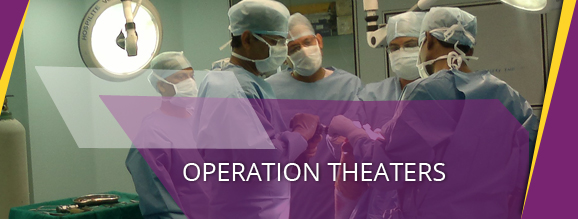
A C-section may be planned or can even be an emergency, depending on when the condition requiring surgery presents itself. Whatever be the reason, it is always reassuring to know that the operation theatre (OT) where the surgery will be performed meets the high standards of quality and is well-equipped.
RUBY HOSPITAL’s state-of-the-art OTs are facilities with ultramodern equipment to handle the most complex of pregnancy and gynaecology cases. Specially designed operating tables, advanced anaesthesia workstations and monitoring and advanced medical equipment help us ensure that you and your newborn baby are always in safe hands.
Our post-operative wards are equipped with latest ventilators and advanced monitoring systems providing our patient's focused post-operative care.
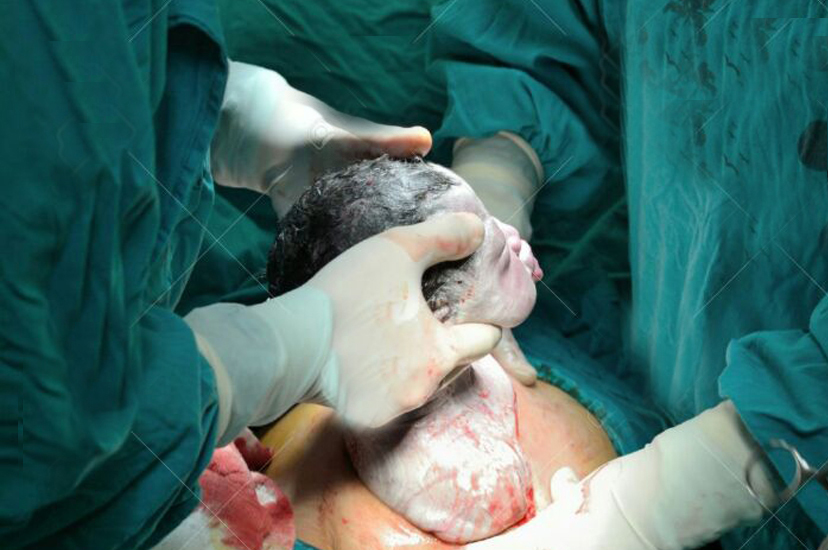
Emergency Care
Emergency Care
Level III NICU
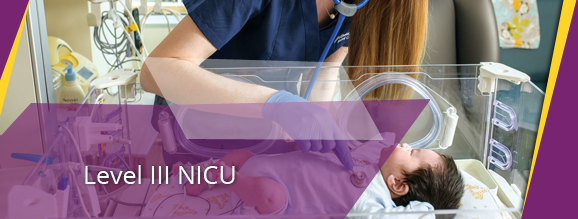
With equipment specifically designed for infants and medical staff specially trained in newborn care, the NICU is created for sick newborns who need specialized treatment. Most often, babies who need to go to the unit are admitted within the first 24 hours after birth. Generally, premature babies, low & very low birth weight babies, babies with congenital conditions, and babies with complications like meconium aspiration or respiratory diseases are admitted to the NICU.
RUBY HOSPITAL, understanding your concern, ensures that our team of experts does everything possible to help your baby. Our state-of-the-art Level III NICU facility comes fully equipped with monitoring facilities and advanced incubators with features that ensure that your baby is well taken care of. Experienced technicians and blood gas analyzers assist in ventilator management of babies who need assistance to breathe. Baby warmers and phototherapy units are state of the art with inbuilt safety features.
A baby in our NICU is kept under the care of a Consultant Neonatologist and qualified trained Resident Pediatric doctors, manage the babies round the clock. Qualified trained nurses and other professional staff care for the baby at all times. We encourage mothers to continue the process of bonding with the baby even if in NICU and babies continue to be fed if possible with breast milk that has been expressed. The caregiving process continues even after the mother and baby are discharged from RUBY HOSPITAL, as the team is willing and available to address the questions and concerns of the new parents. An isolation NICU is also in place to handle potentially infected cases and transfer cases.
At RUBY HOSPITAL, we are driven to ensure that you and your baby receive the highest standard of healthcare. For us, nothing is as important as the safety of your baby. In cases where your baby may be born preterm, or be faced with illness.
The Level III NICU at RUBY HOSPITAL is an ultramodern facility, fully equipped to handle a baby needing extra care, such as premature babies, low & very low birth weight babies, babies with congenital conditions, and babies with complications like meconium aspiration or respiratory distress.
The NICU is equipped with monitoring facilities and ultramodern incubators with features that make taking care of the baby much more comfortable and safe. Advanced ventilators and blood gas analyzers assist in ventilator management of babies who need assistance to breathe. Baby warmers and phototherapy units are state of the art with inbuilt safety features. A baby in NICU is under the care of a Consultant Neonatologist and qualified trained Resident Pediatric doctors manage the babies round the clock. Qualified trained nurses and other professional staff care for the baby at all times. The caregiving process continues even after the mother and baby are discharged from RUBY HOSPITAL, as the team is willing and available to address the questions and concerns of the new parents
An isolation NICU is in place to handle potentially infected cases and transfer cases.
SICU
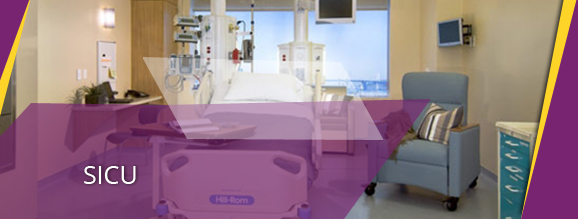
Surgical Intensive Care is a specialty of intensive care related to the care and treatment of patients who are seriously or critically ill after surgery. Sometimes patients may be admitted to the SICU as a precaution, to monitor them if they need close monitoring to prevent deterioration. At RUBY HOSPITAL, our SICU units closely monitor our patients, in cases where they exhibit unstable symptoms. Patients requiring surgical intensive care may need support to stabilize their blood pressure or breathing, kidney function, heart rhythm or support organs that are not functioning.
At RUBY HOSPITAL, we have a state-of-the-art, round-the-clock SICU to care for expectant mothers, whose conditions may be unstable and volatile. We have a team of specialists in critical care related to maternity, with the knowledge and skills to provide comprehensive care for patients who are faced with difficulty during delivery.
In the unlikely event that a mother’s condition will need longer intensive care monitoring, our doctors ensure that her health is stabilized at RUBY HOSPITAL's SICU, before being transferred to the nearest Ruby Hospital. Our transfer procedures are robust, and ensure that our patients deal with minimal disruption. Our ambulances are also equipped with monitoring and ventilator support to ensure patient safety. RUBY HOSPITAL patients receive priority admissions in Ruby Hospitals, being a part of the same chain.
Conclusion
We, at RUBY HOSPITAL, understand the stress you experience when your loved one may require medical attention in a SICU. Thus, we follow a strict 24 hours-a-day policy, to ensure that your medical needs get met at any time of the day.
Ambulance
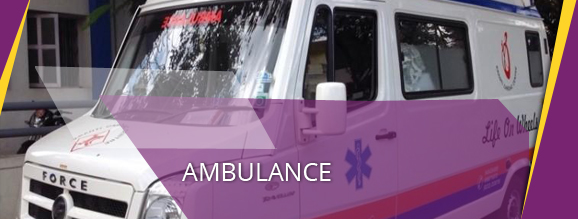
During emergencies, time is of essence. RUBY HOSPITAL has robust transfer procedures in place to immediately respond to critical medical situations. Our fully loaded state-of-the-art ambulances feature advanced life-saving equipment like ventilators and are manned by emergency management teams. We respond 24x7 to crisis calls. Whether it is an emergency delivery or transfer of a critically ill newborn into our level III NICU with us you are always in safe hands.

Your stay
Your stay
Pharmacy

Every RUBY HOSPITAL Centre has a round-the-clock pharmacy within the facility, staffed by a team of registered pharmacists to provide the medications needed. Located at the ground floor of our Centres, close to the main reception, the pharmacy team is available to assist any medication-related needs of our patients and their families. The pharmacy team works in conjunction with the consultants, resident medical officers and nursing staff to ensure safe and efficient medication services.
Stay Packages

If you have been given an admission date, we encourage you to pre-register with the Centre as early as possible to ensure admission without any delays.
Choice of Package
- Normal Delivery
- Instrumental Delivery
- LSCS (C-Section)
- LSCS (C-Section) With Tubectomy
Choice of Accommodation
Varied levels of accommodation are available to suit every budget
- Semi Deluxe Room
- Deluxe Room
- Super Deluxe Room
- Suite
Of Hospital Bills
The Hospital will generate an estimate of your total hospital bill for the admission. This includes the Consultant’s professional fees but does not include emergency visits, cross referrals, cases with complications and charges for any procedure not specified at the time of admission. Therefore, the finally billed amount may vary from the estimate given. Your understanding is sought in this matter.
Stay Guidelines

Admission formalities will be done at the Admission / Billing
Please bring the following documents when you get admitted:
- Admission advice from your Doctor
- If you do not have an Indian passport or are not an Indian citizen, please bring a copy of your visa and passport
- Information about the hospital charges is available with the Billing Department at the hospital.
- You will need to pay a deposit at the time of booking your admission or at admission. The amount will depend on the type of accommodation you choose.
- If you are need to undergo any surgery, for the procedure will need to be deposited at admission; you will be kept informed about subsequent payment that needs to be made.
- We request you to make the payments within 24 hours of intimation
- You should get admitted for day surgery by on the morning of surgery so that there is time to get all your admission formalities completed in time for surgery.
- For other surgery, your doctor will advise you to get admitted the day before.
We will do our best to give you your choice of accommodation, but we will confirm this the day before your scheduled admission.
Room Facilities
The Guest Relation Executive will escort you to your room.
- In-Room Facilities
- Nurse on Call
- Attendant
- Housekeeping
- Hot water will be available 24 hrs.
Your room has been specially designed to provide the comfort of your home. It is air-conditioned, and has cable TV. You will have facilities for telephone calls, in room food service and a newspaper. Toiletries will be provided. Your clothes and clothes for the baby will be provided.
A nurse call system makes sure that nurses will always attend to you when required. Please do not hesitate in using the Nurse Call button in case you need any assistance. Nurses at RUBY HOSPITAL are groomed to attend to all your emergency requirements and needs with a smile.
A dedicated trained attendant will be assigned to you. You can avail his / her services within the hospital premises.
Housekeeping will clean your room three times a day to ensure hygiene.
High Risk Pregnancy Management
High Risk Pregnancy Management
Risk Factors
Ensuring that your pregnancy completes a full-term, and you deliver a healthy baby, is the cornerstone of our aim at RUBY HOSPITAL. High risk pregnancy cases, which can cause complications during pregnancy, or during childbirth, require a very different kind of care, which our specialists are trained to diagnose and treat.
A critical part of managing high-risk pregnancies can ascertain the cause, or the risk factors that can cause complication. High-risk pregnancy factors can broadly be split into four different categories. This include:
- Maternal age
- Lifestyle choices
- Pregnancy conditions
- Medical history
Let’s look at each of these in some detail:
- Maternal Age:
- Lifestyle Choices:
- Pregnancy Conditions:
- Multiple Gestation: In circumstances where multiple gestation occurs, i.e. a pregnancy with twins, triplets, or more, can increase the risk of your babies being born prematurely. Having three or more infants can increase your chances of needing a cesarian section. Twins or triplets are also more likely to be smaller in size when compared to babies born from a singleton birth. Your babies may also have more difficulty in breathing.
- Gestational Diabetes: Also known as diabetes during pregnancy, this complication, if not adequately controlled, increases the risk of preterm labour and delivery and high blood pressure.
- Preeclampsia: Your pregnancy can also result in you facing a sudden increase in blood pressure, after the 20th week of your pregnancy. A syndrome, known as Preeclampsia, this medical condition can affect your kidneys, liver or brain. If this is left untreated, this condition can cause long-term health problems, or even prove fatal to the health of both you and your baby. A severe form of preeclampsia called Eclampsia, is also a risk, as this syndrome results in you suffering from seizures or even going into a coma.
- Medical History: Your pregnancy can also be affected by some pre-existing health conditions. These can include:
- High Blood Pressure – Uncontrolled blood pressure can result in damage to your kidneys, or increase the risk for a low birth weight.
- Polycystic Ovary Syndrome (PCOS) – This disorder can interfere with your ability to get pregnant, or to have a full-term pregnancy. PCOS can also increase your chance of suffering from a miscarriage, and increase the likelihood of premature delivery, preeclampsia or gestational diabetes.
- Diabetes – High blood sugar levels when you are pregnant can cause birth defects in your baby during the first few weeks of your pregnancy.
- Kidney Disease – You may find it tough to conceive if you are suffering from a kidney disease. Your pregnancy also faces a significant risk of miscarriage.
- Autoimmune Disease – Certain autoimmune diseases, like Lupus, can increase the risk of preterm birth or even stillbirth. The treatment that you may be undergoing to tackle this can also be harmful to your baby, making it essential to check with your doctor while planning your pregnancy.
- Thyroid Disease – An uncontrolled Thyroid disease, such as an overactive or an underactive thyroid, can cause problems for your baby, like heart failure, poor weight gain or other birth defects.
- Obesity – Excess weight can make your pregnancy more difficult, and also increase your chances of developing diabetes during pregnancy. Excessive weight can also result in a difficult birth. Being underweight can also be a treat, both for you and your baby.
One of the common risk factors that can cause complications during your pregnancy is your age. Woman who are over the age of 35, when their baby is due, are at a greater risk of complications. These complications can include having a caesarian delivery, prolonged labour, labour that does not advance or an infant who may suffer from a genetic disorder. Other delivery complications, like excessive bleeding during labour, may also be faced.
Lifestyle choices like drinking alcohol or cigarette smoking can adversely affect your pregnancy. The former, when consumed, passes directly to the fetus, through the umbilical cord. Studies suggest that women who drink during pregnancy are more likely to suffer from a miscarriage, or in extreme cases, a stillbirth.
Other risks of alcohol consumption during this period include a greater chance of congenital disabilities or Fetal Alcohol Spectrum Disorder. The latter is a term used to describe a category of fetal disorders that can be caused by alcohol consumption. These disorders can include abnormal facial features, height problems, low body weight, hyperactivity disorder, intellectual disabilities or vision and hearing problems.
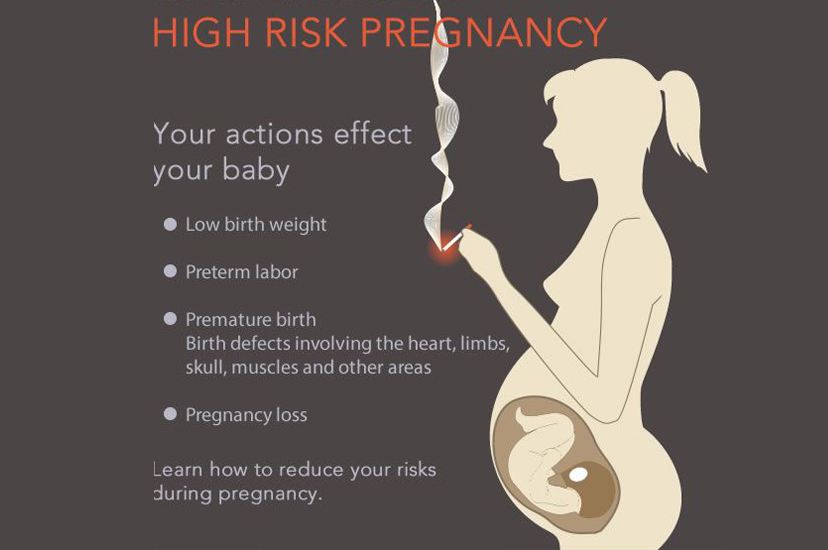
Cigarette smoking during pregnancy can put your baby at risk for preterm birth, birth defects and sudden infant death syndrome (SIDS). Secondhand smoke can also be dangerous for you and your baby, and can put you at an increased risk for health problems.
The state of your pregnancy can also increase the risk faced.
Understanding the risk factors that can cause a high risk pregnancy is only the first step towards ensuring a healthy delivery. Our experts merge expertise, experience and the latest technology to diagnose (hyperlink to HRP Diagnosis Page) and treat (hyperlink to HRP Treatment Page). Book an appointment with one of our specialists today!
Diagnosis

High risk pregnancies can be diagnosed in a number of ways by a medical practitioner. The below tests will help in the identification of high risk pregnancy, and will be prescribed by your doctor depending on your condition or symptoms (hyperlink to HRP – Symptoms page).
- Amniocentesis – During this test, a sample of the amniotic fluid, which surrounds your baby, is harmlessly extracted for tests. Typically conducted after the 15th week of your pregnancy, as part of high risk pregnancy diagnosis, to test for genetic conditions like neural tube defects, or brain and spinal cord abnormalities.
- Cordocentesis – Typically conducted after the 18th week of pregnancy, this test is able to identify certain fetial chromosomal abnormalities, blood conditions and viral or bacterial infections.
- Ultrasounds – A number of ultrasounds are used for high risk pregnancy diagnosis. These include targeted ultrasounds, which can construct an image of your child in the womb, and target a suspected issue, like an abnormal fetal development.
- Chorionic Villus Sampling – This test is typically suggested to test abnormalities, in the event that your doctor suspects a fetal genetic conditions. Conducted between the 10th and 12th week of your pregnancy, the cells of the placenta are harmlessly removed and tested.
- Laboratory Tests – In case you have had a history of pre-term labour, your doctor may suggest that a sample of your vaginal fluid be tested for fetal fibronectin. This is a glue-like substance that helps connect the fetal sac to your uterine lining. If the test comes back positive, this could be a sign of an early delivery.
- Blood Testing – A routine blood test may also be diagnosed, as it can indicate that you have an underlying condition, such as gestational hypertension. This can place you and your child at risk, and will require prenatal monitoring and treatment.
- Urinalysis – Conditions like preeclampsia can be diagnosed through this test, as it can detect excess protein in the urine.
- Fundal Height Measurement: Fundal height is the measurement which indicates the distance between the pubic bone and the top of the uterus. A measurement that is too large can indicate a macrosomic, or an overly large fetus.
- Fetal Monitoring: An unborn baby that is thought to be unduly large can be monitored through non-stress testing. This test will measure your baby’s heart rate, in response to their movements, and may also be conducted if your doctor feels that the child may have a condition that can cause fetal distress during delivery.
It is essential that you get in touch with an experienced medical practitioner to help conduct your tests. Schedule an appointment with RUBY HOSPITAL’s team of experts today, if you feel that you are exhibiting any symptoms of a high-risk pregnancy (hyperlink to HRP –Symptoms page).
Sign & Symptoms
When you learn that you are pregnant, consult your doctor about the possibility of a high-risk pregnancy. Openly discuss any pre-existing medical conditions, how they can be managed and the possible consequences on the same on labour and delivery. Our expert team at RUBY HOSPITAL has laid out some of the signs and symptoms of high-risk pregnancy to look out for.
If you experience any of the following signs of high-risk pregnancy, it is essential to get immediate medical attention:
- You lose consciousness - It wouldn't be possible for you to take any action in this situation. Brief your partner, neighbour or colleague in advance of what to do in such a situation
- You experience vaginal bleeding
- You experience unbearable pain in your pelvis or belly
- You have fluid leaking from your vagina - This could be because the umbilical cord is bulging into your vagina. Call for emergency help immediately. Meanwhile, get down on your knees so that your rear end (buttocks) is higher than your head. This will help reduce the pressure on the cord until help arrives.
- You experience persistent pelvic pressure or back pain
- You observe that your baby is moving less than normal or not moving
- You experience signs of pre-eclampsia such as sudden swelling of your hands, feet or face; vision problems such as dimness or blurring; a severe headache
During pregnancy, it is critical to stay vigilant and watch out for any signs that indicate that your pregnancy is not progressing as it is supposed to. Not all signs would mean that you have a problem, but it is always advisable to stay alert and consult your doctor at the slightest sign of distress.
Prevention
If you are planning to get pregnant, it is natural that you would want to take every measure possible to prevent a high-risk pregnancy. At RUBY HOSPITAL, we constantly emphasise that by practising healthy behaviour and undertaking tests early, you can minimise the chance of a high-risk pregnancy.
A high-risk pregnancy occurs due to one or more of the following reasons:
- A pre-existing medical condition in the mother such as diabetes or hypertension
- A pregnancy-related problems that lead to complications such as premature labour
- Age of the expecting mother, and,
- Lifestyle disorders
Any of these three factors could increase the risk of adverse effects for the mother, baby or both. The good news is that there are certain measures you can take for each of this situation to lower the risk of high-risk pregnancy.
- Treat the pre-existing condition – If you have a pre-existing condition such as diabetes, heart disease, high blood pressure, kidney disease or lupus, it is extremely important to plan a pregnancy only after ensuring that your underlying medical condition is being treated appropriately and you’re health is optimum for pregnancy. For instance, if you’re diabetic, ensure that your blood sugars are under control or if you’re hypertensive, make sure it is being treated appropriately. To have the best chance of a healthy and successful pregnancy, it is best to ensure that pre-existing conditions are under control before you conceive.
- Test for birth defects and genetic conditions – Fetal problems including genetic conditions such as chromosomal abnormalities and birth defects can complicate pregnancies. While the risk of these issues increases with family history, age and ethnicity, any woman could have an affected child. At the very outset of your pregnancy, discuss in detail with your doctor or genetic counsellor to know about the risks and test options. Latest technology ultrasounds and non-invasive tests can detect any issues early on. Prenatal vitamins and in some cases, additional folic acid prior to and during early pregnancy can help reduce the risk for many types of birth defects.
- Prevent complications you have had before – In a first pregnancy, pregnancy-related complications such as preeclampsia, preterm labour or birth are difficult to predict. However, in following pregnancies, you should be proactive and take measures to prevent those complications from re-occurring. For instance, progesterone can help reduce the risk of preterm birth or aspirin can help prevent the recurrence of preeclampsia. Taking preventive measures early on will help improve outcomes.
- Improve your lifestyle - There are some common lifestyle measures that you can take to reduce your chance of a high-risk pregnancy such as:
- Eat a healthy diet - You would need more folic acid, calcium, iron and other essential nutrients during pregnancy. Make sure that all these are factored in your diet.
- Stay away from risky substances - Substances such as tobacco, alcohol and illegal drugs should be completely avoided.
- Watch your weight - The right amount of weight gain will help support your baby’s growth and health. Know from your doctor as to what is the ideal weight gain and aim to be within that limit.
- Regular prenatal visits - Regular visits will help your doctor to monitor the baby’s and your health. Issues, if any, can be arrested timely. Your doctor may refer you to a specialist in genetics, maternal-foetal medicine, paediatrics or any other field depending on the circumstances.
- Be careful when using ART (assisted reproductive technology) – If you plan to get pregnant using ART, carefully consider how many embryos you want implanted. Multiple pregnancies are prone to higher risk of preterm labour.

Painless Delivery(with Anesthesia)
Painless Delivery(with Anesthesia)
 Did you know? Epidural birthing procedures are very safe and pose no threat either to the baby or to the mother.